.png)
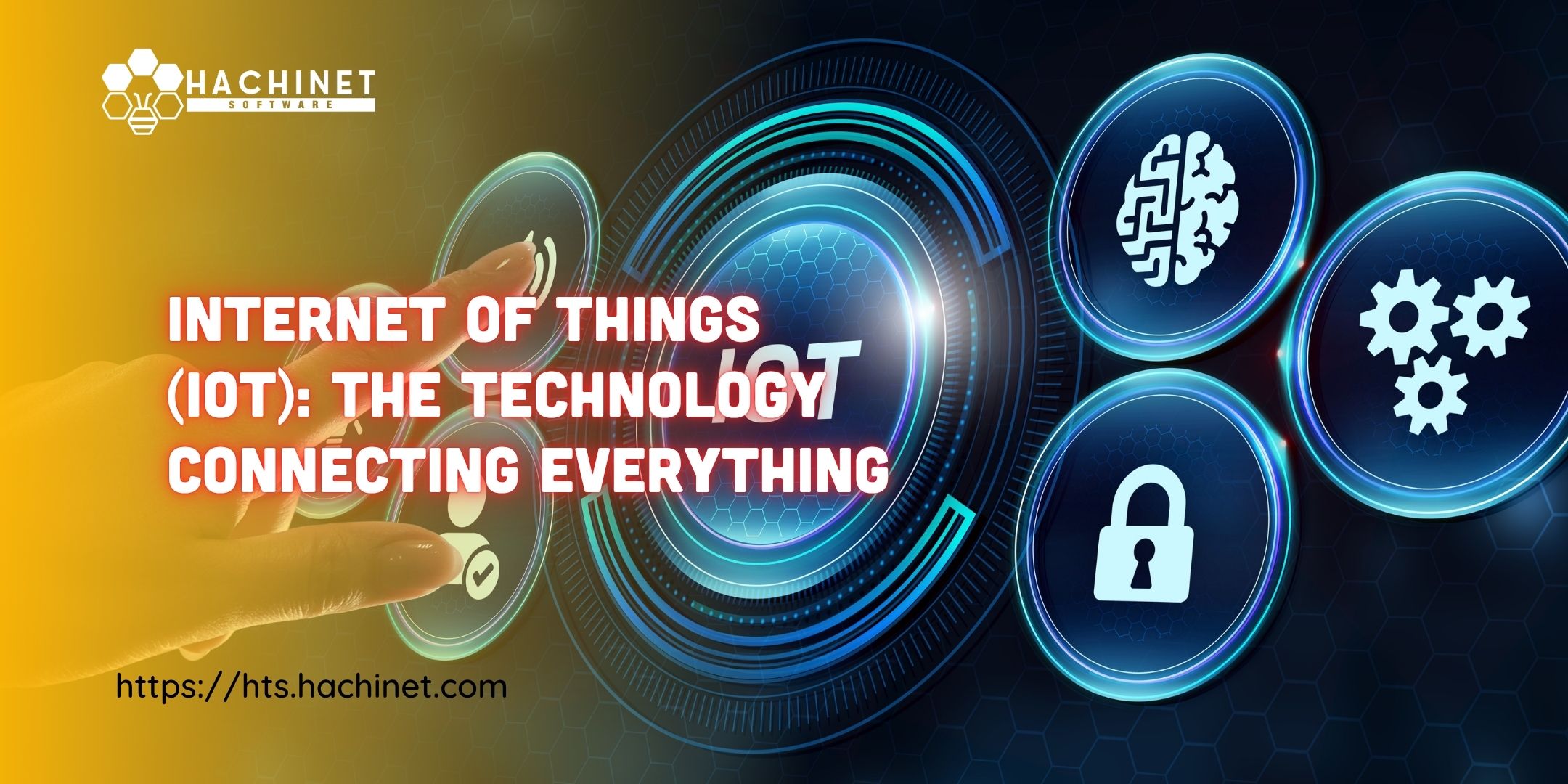
In the era of digital transformation, the Internet of Things (IoT) has become one of the core technologies connecting the physical world with the digital environment. From smartwatches and smart homes to automated production lines and smart city management systems, IoT is transforming the way people live and businesses operate.
So, what exactly is the Internet of Things? How does it work, and why is it considered one of the most important technology trends for the future? Let's explore these questions in detail.
What Is the Internet of Things (IoT)?
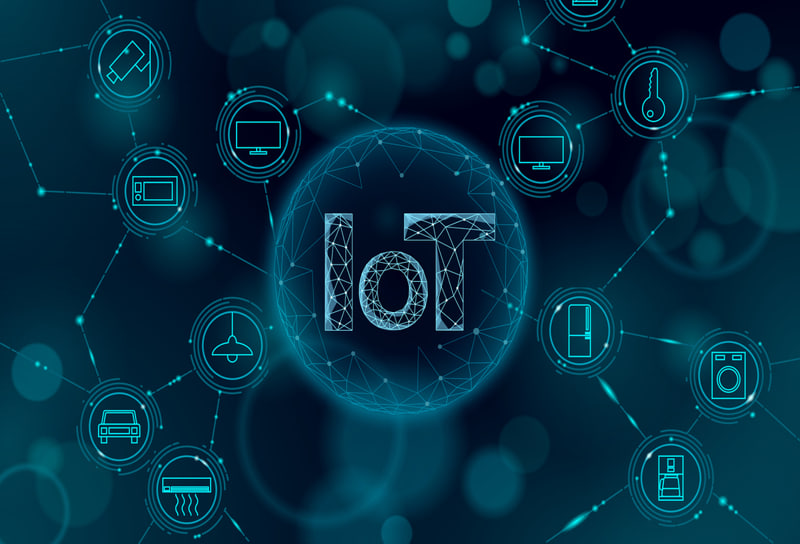
The Internet of Things (IoT) is a network of physical devices connected to the Internet, enabling them to collect, exchange, and process data with minimal human intervention.
IoT devices are equipped with sensors, software, and communication technologies that transmit data to centralized systems or cloud platforms. This allows businesses to monitor operations, analyze data, and automate a wide range of processes.
Examples of IoT Devices:
- Smartwatches
- Security cameras
- Smart door locks
- Robot vacuum cleaners
- Health monitoring devices
- Temperature sensors
- Industrial machinery
- Smart traffic light systems
With continuous connectivity, IoT is creating an intelligent ecosystem where devices can seamlessly communicate and interact with one another.
How Does the Internet of Things Work?
A typical IoT system consists of four main components:
1. Devices and Sensors
Sensors collect data from the surrounding environment, including:
- Temperature
- Humidity
- Air pressure
- GPS location
- Motion
- Power consumption
2. Network Connectivity

The collected data is transmitted through various communication technologies, such as:
- Wi-Fi
- Bluetooth
- Zigbee
- LoRaWAN
- 4G/5G
- Ethernet
3. Data Processing Platform
The data is sent to servers or cloud platforms for:
- Data storage
- Data analysis
- Anomaly detection
- Alert generation
4. Control Applications
Users can monitor and control IoT devices through:
- Smartphones
- Computers
- Management dashboards
- ERP or CRM systems
Key Benefits of the Internet of Things

1. Improved Operational Efficiency
IoT enables businesses to monitor operations in real time, reducing equipment downtime and improving overall productivity.
2. Cost Savings
Thanks to continuous monitoring and automation, the Internet of Things (IoT) enables businesses to significantly reduce operational costs. Connected devices can automatically perform various tasks, minimizing reliance on manual labor and lowering workforce expenses.
At the same time, IoT systems monitor and optimize energy consumption in real time, helping organizations reduce electricity costs. Continuous equipment monitoring also allows businesses to detect potential issues early, perform preventive maintenance, reduce repair costs, and minimize unexpected downtime.
Furthermore, automated workflows help reduce human errors, improving operational accuracy and overall business efficiency.
3. Data-Driven Decision Making
The vast amount of data collected from thousands of connected devices enables managers to:
- Analyze trends
- Forecast demand
- Optimize business processes
- Improve service quality
4. Enhanced Customer Experience
The Internet of Things (IoT) helps businesses enhance customer experiences by collecting and analyzing real-time usage data. By understanding customers' habits, preferences, and behaviors, organizations can personalize products, services, and customer care programs to better meet individual needs.
In addition, IoT enables remote device monitoring, allowing businesses to proactively detect and resolve issues before they impact customers. This improves service quality and customer satisfaction. Delivering seamless, responsive, and personalized experiences not only increases customer retention but also creates a sustainable competitive advantage in the digital era.
Challenges of Implementing IoT
Although IoT offers numerous benefits, organizations still face several challenges when implementing the technology.
- Data Security: As millions of devices become connected to the Internet, the risk of cyberattacks continues to increase. Businesses must invest in robust cybersecurity solutions, data encryption, and access control mechanisms to protect sensitive information.
- Compatibility: IoT devices from different manufacturers may use different communication protocols, making system integration more complex and challenging.
- Managing Massive Data Volumes: IoT generates enormous amounts of data every day. Organizations need powerful storage infrastructure and advanced data analytics capabilities to efficiently process and utilize this information.
-
Initial Investment Costs: Deploying large-scale IoT systems often requires substantial investments in hardware, network infrastructure, and management platforms.
Future Trends of the Internet of Things
The Internet of Things will continue to evolve rapidly through integration with emerging technologies, including:
-
Artificial Intelligence (AI) and Machine Learning: AI enables IoT devices not only to collect data but also to learn from it, analyze patterns, and make intelligent decisions autonomously.
-
Edge Computing: Instead of sending all data to the cloud, Edge Computing processes data closer to where it is generated, reducing latency and enabling faster response times.
- 5G Networks: 5G provides ultra-fast data transmission, low latency, and the ability to connect millions of devices simultaneously, creating the ideal foundation for the continued expansion of IoT applications.
- Digital Twin: By combining IoT with Digital Twin technology, businesses can create virtual representations of physical assets or processes, enabling real-time monitoring, predictive maintenance, and operational optimization.
-
IoT Integrated with Cloud Computing: Cloud Computing provides scalable storage, processing, and management capabilities for IoT data, allowing organizations to efficiently expand their systems as business demands grow.
The Internet of Things (IoT) has become a key driver of digital transformation worldwide. Connecting physical devices to the digital ecosystem enables businesses to automate processes, optimize costs, improve operational efficiency, and develop innovative data-driven business models.
Looking ahead, the integration of IoT with Artificial Intelligence (AI), 5G, Cloud Computing, and Edge Computing will continue to expand its applications across smart homes, manufacturing, healthcare, logistics, and smart cities. Organizations that invest in IoT early will gain a significant competitive advantage by improving productivity, enhancing customer experiences, and adapting to the rapidly evolving technology landscape.