.png)
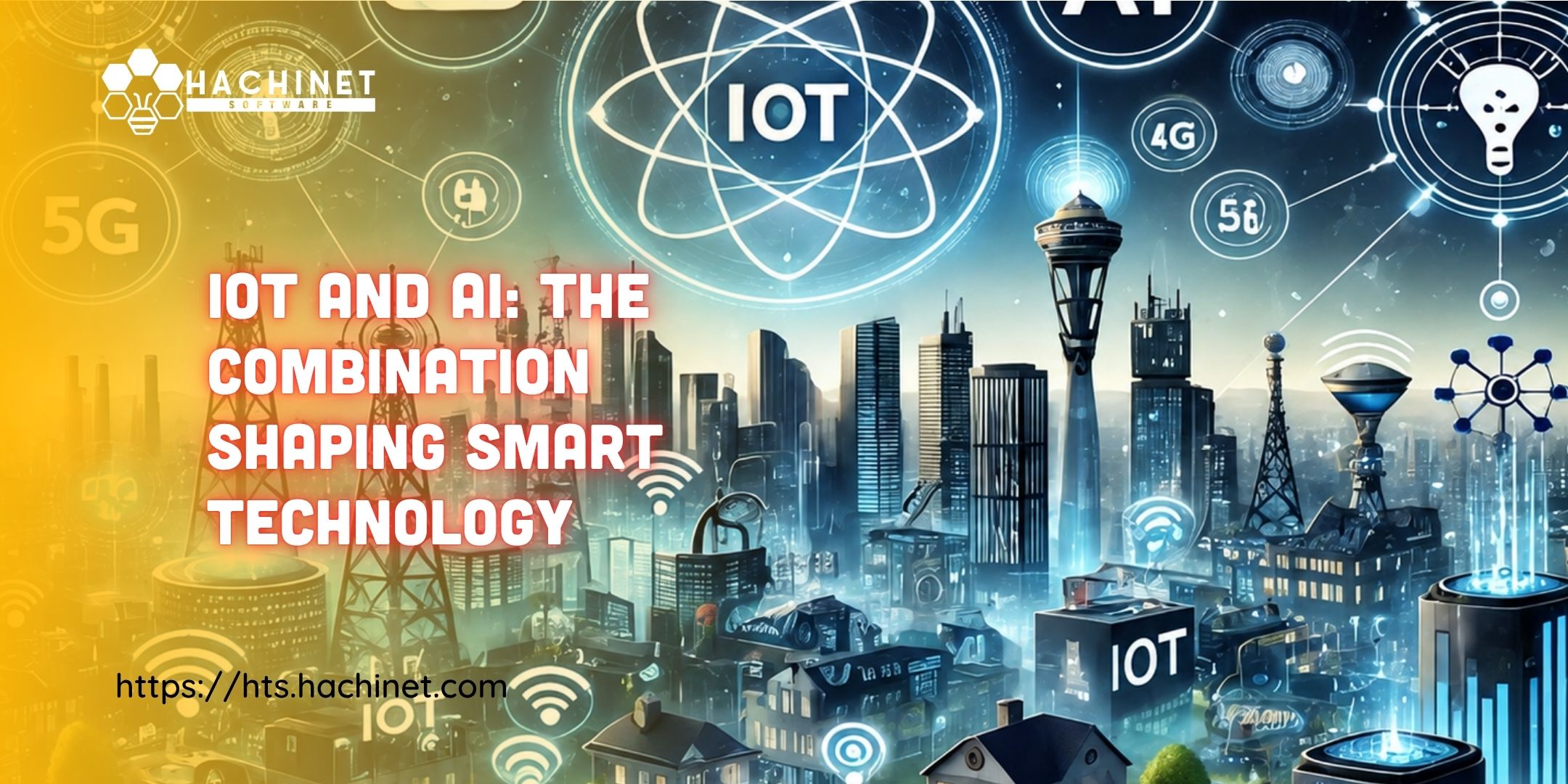
IoT and AI – Two Technologies Transforming the Digital World
In the process of digital transformation, IoT and AI are becoming two important technologies that help businesses build smart and automated systems. While IoT enables devices, sensors, and systems to connect and collect real-time data, AI can analyze data, identify patterns, and make predictions or decisions.
When these two technologies are combined, they create AIoT (Artificial Intelligence of Things) – a model in which data collected from IoT devices is leveraged by AI, allowing systems to do more than simply “connect.” They can also learn, analyze, and take intelligent actions. IEEE describes AIoT as the integration of AI into IoT systems and devices, while emphasizing the role of Edge AI in bringing processing capabilities closer to the source of data.
1. What is IoT?
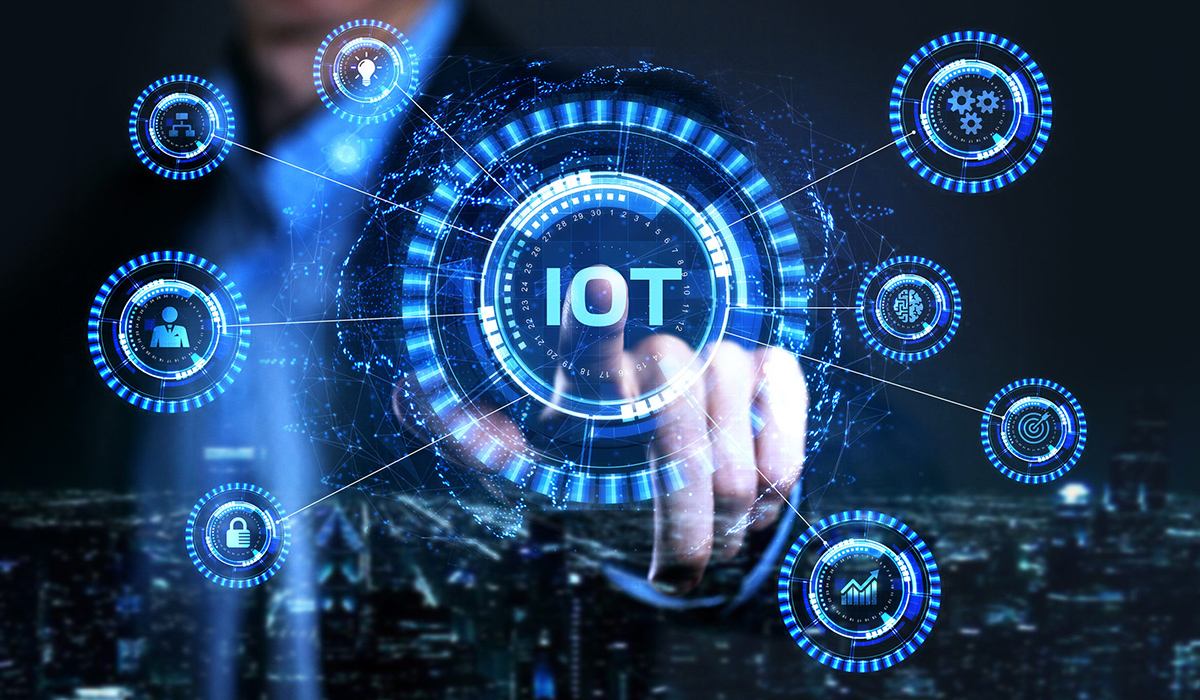
IoT (Internet of Things) refers to a system of physical devices connected to the Internet or an internal network to collect, exchange, and process data.
IoT devices can include:
- Temperature, humidity, and light sensors.
- Cameras and monitoring devices.
- Machinery in factories.
- Smart wearable devices.
- Vehicles and transportation systems.
- Smart home appliances.
- Goods and logistics tracking devices.
For example, in a factory, sensors can continuously record the temperature, vibration, or operating speed of machinery. The data is then transmitted to a system, allowing businesses to monitor the condition of their equipment in real time.
However, IoT primarily addresses connectivity and data collection. To turn this large volume of data into intelligent decisions, AI plays an important role.
2. What is AI and What Role Does AI Play?
AI (Artificial Intelligence) refers to a group of technologies that enable computers to perform tasks that typically require human intelligence, such as image recognition, data analysis, prediction, language processing, and decision-making.
Within an IoT system, AI can be used to:
- Analyze sensor data.
- Detect anomalies.
- Predict failures.
- Recognize images and sounds.
- Forecast demand.
- Make automated decisions.
- Optimize device operations.
Cisco also defines AIoT as the integration of AI and IoT, in which AI enables devices to analyze data, make decisions, and adapt to their environment rather than simply collecting data.
3. What is AIoT?
AIoT (Artificial Intelligence of Things) can be simply understood as the combination of AI + IoT.
If IoT provides the “eyes and ears” that allow a system to sense the world around it, AI enables the system to understand what is happening and take appropriate action.
The AIoT process can be illustrated as follows:
IoT Devices → Data Collection → Connectivity → AI Analysis → Decision-Making → System Action
Example:
A sensor in a factory detects abnormal engine vibration → the data is analyzed by AI → the system identifies a potential equipment failure → an alert is sent to a technician → the business proactively performs maintenance before the machine stops operating.
This is a key difference between traditional IoT and AIoT: the system does not only know what is happening but can also predict what may happen next.
4. How Do IoT and AI Work Together?
%20(1).png?1684770268977)
The combination of IoT and AI is typically implemented through multiple technology layers.
Layer 1: IoT Devices and Sensors
Physical devices collect data from the real-world environment, such as temperature, location, images, sounds, pressure, or machinery status.
Layer 2: Connectivity and Data Transmission
Data is transmitted through technologies such as Wi-Fi, Bluetooth, 4G/5G, Ethernet, or specialized IoT protocols.
Layer 3: Edge Computing
Instead of sending all data to the cloud for processing, some of the data can be analyzed directly on the device or close to the data source.
This is particularly important for systems that require a fast response. The trend of bringing AI capabilities to the network edge is gaining increasing attention because it helps reduce latency and minimizes the need to transmit large amounts of raw data to a centralized system.
Layer 4: AI and Machine Learning
AI/ML models analyze data to identify patterns, detect anomalies, predict trends, or make decisions.
Layer 5: Applications and Automation
The analysis results are translated into actions such as sending alerts, adjusting machinery, optimizing processes, or automatically activating another device.
5. Benefits of Combining IoT and AI
-
Smarter Data Analysis: IoT generates massive amounts of data, but this data only becomes truly valuable when businesses can analyze and leverage it effectively. AI helps process data faster, identify relationships, and generate insights that would be difficult to obtain through manual analysis at scale.
-
Process Automation: AIoT enables systems to automatically respond based on collected data. For example, a building management system can automatically adjust temperature or lighting based on the number of people present and environmental conditions.
-
Predictive and Preventive Maintenance: One of the most prominent applications of AIoT is Predictive Maintenance. AI can analyze sensor data to identify abnormal patterns in machinery, helping businesses schedule maintenance before serious failures occur.
-
Optimizing Operating Costs: When devices operate based on data and AI algorithms, businesses can reduce unnecessary activities, use resources more efficiently, and optimize their processes.
-
Real-Time Decision-Making: Instead of relying solely on historical data reports, businesses can use IoT data combined with AI to identify problems and make decisions in near real time.
6. Real-World Applications of IoT and AI
AIoT is being applied across various fields, from manufacturing and healthcare to transportation and agriculture. IEEE also identifies Healthcare, Smart Home, Industrial Automation, Transportation, and Digital Agriculture as important application areas for AIoT.
6.1. Smart Factories
In manufacturing, IoT sensors can continuously monitor machinery. AI can then analyze the data to:
- Predict equipment failures.
- Optimize production lines.
- Detect defective products.
- Monitor energy consumption.
- Automatically issue alerts when anomalies are detected.
In particular, AIoT is considered an important technology for helping businesses move toward smart factories and sustainable manufacturing by optimizing energy consumption, operations, and data management.
6.2. Smart Home
Devices such as cameras, motion sensors, air conditioners, lights, and smart locks can be connected to one another.
AI helps the system recognize user habits and automatically adjust devices according to their needs.
6.3. Smart Healthcare
IoT can collect health data from wearable devices or medical equipment. AI supports data analysis to detect abnormalities, monitor patients, and enhance remote healthcare capabilities.
6.4. Smart Transportation
Cameras, sensors, and GPS devices can provide data about vehicles and traffic conditions.
AI analyzes this data to predict traffic congestion, optimize traffic flow, or support vehicle management.
6.5. Smart Agriculture
Sensors can collect data on soil moisture, temperature, weather conditions, and crop health.
AI analyzes this data to support:
- Automated irrigation.
- Water demand prediction.
- Detection of abnormal conditions in crops.
- Yield optimization.
- Resource conservation.
7. Challenges of Implementing IoT and AI
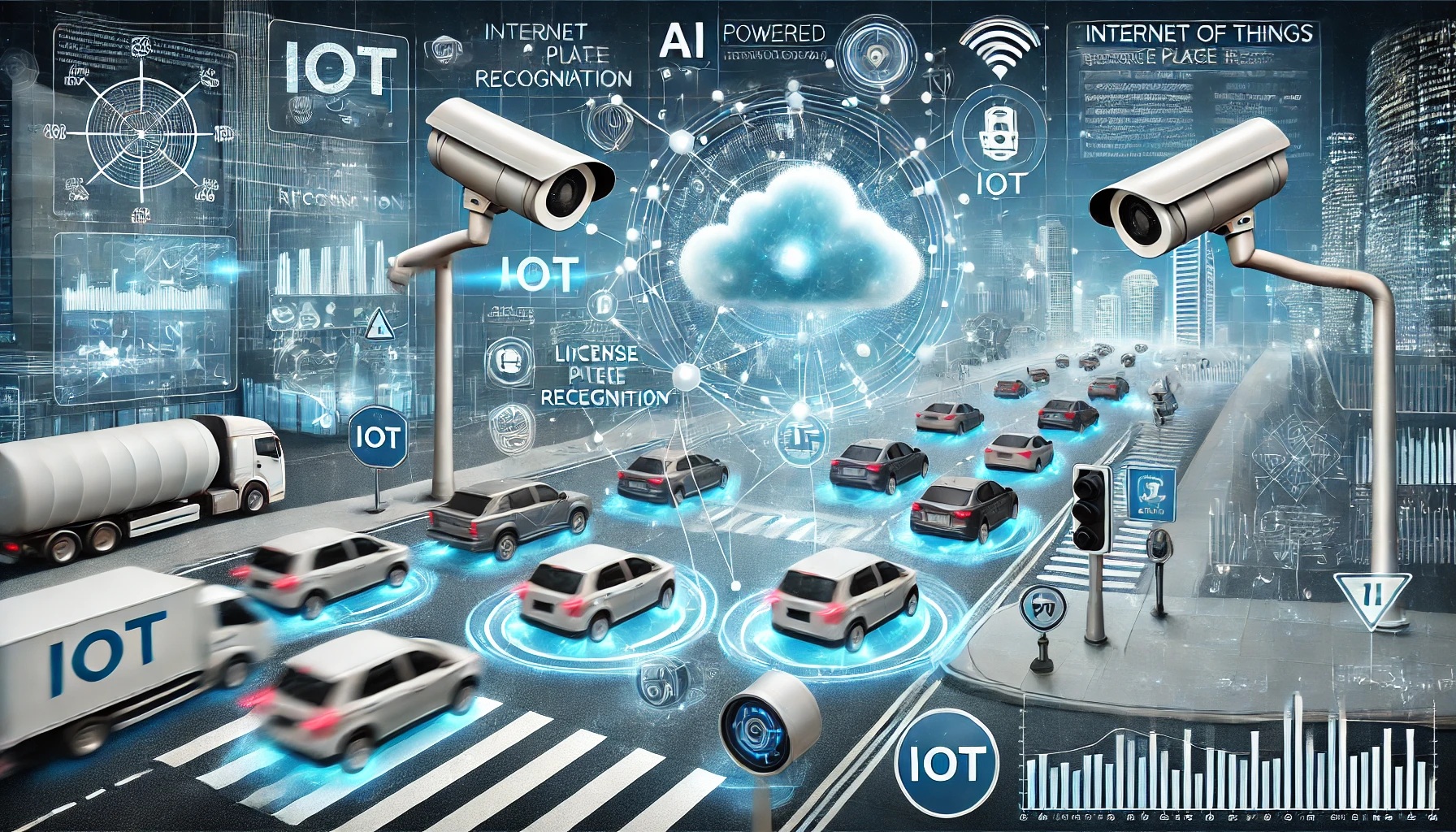
Despite its significant potential, AIoT also presents several challenges for businesses.
-
Data Security: The greater the number of connected devices, the larger the attack surface becomes. Businesses need to pay close attention to device authentication, data encryption, access control, and overall system security.
-
Integration Capabilities: IoT ecosystems often consist of various devices, platforms, and protocols. Ensuring interoperability between different systems is therefore an important challenge.
-
Implementation Costs: AIoT may require investment in IoT devices, network infrastructure, cloud computing, edge computing, software, and technical personnel.
-
Data Quality: AI can only deliver reliable results when the input data is of sufficient quality. Missing, noisy, or inconsistent data can directly affect the accuracy of AI models.
- Technology Talent: Implementing AIoT typically requires a combination of skills in areas such as IoT, AI/ML, Cloud, Edge Computing, Data Engineering, Cybersecurity, and Software Development.
8. How Will IoT and AI Shape Smart Technology?
The development of AIoT is transforming IoT from a system focused on “connecting and collecting data” into one capable of “sensing – analyzing – predicting – acting.”
In the coming years, smart systems will increasingly combine multiple technology layers, including IoT devices, Edge AI, Cloud AI, 5G, and data analytics platforms. Recent research on Industry 5.0 also focuses on IIoT–edge–cloud architectures, interoperability, and the deployment of AI across the entire system.
This opens up significant opportunities for businesses to:
- Automate operations.
- Optimize resources.
- Reduce costs.
- Enhance customer experiences.
- Improve predictive capabilities.
- Build smarter products and services.
9. What Should Businesses Prepare for AIoT Adoption?
To effectively implement IoT and AI, businesses should not focus solely on purchasing additional devices or deploying an individual AI model. More importantly, they need to build a technology architecture that aligns with their business objectives.
Some key factors to consider include:
-
Define the Business Problem: AIoT should address specific business challenges, such as reducing downtime, saving energy, or improving product quality.
-
Build a Data Infrastructure: Ensure that data from devices is collected, stored, and managed consistently.
-
Choose the Right Edge–Cloud Architecture: Tasks that require fast responses can be processed at the edge, while more complex analytical tasks can be handled in the cloud.
-
Invest in Security: Protect devices, data, APIs, and the entire connected system.
-
Build a Technical Team: AIoT requires collaboration among professionals with expertise across multiple technology domains.
Conclusion
IoT and AI are no longer two technology trends operating independently. When combined into AIoT, IoT's ability to collect data is enhanced by AI's capabilities in analysis, learning, and decision-making.
From smart factories and transportation to healthcare, smart homes, and agriculture, AIoT is ushering in a new generation of systems capable of observing, understanding, predicting, and taking automated actions.
For businesses, the question is no longer simply, “Should we adopt IoT or AI?” Instead, it is increasingly becoming, “How can we combine IoT, AI, Edge, and Cloud into a system that delivers real business value?”
As the demand for smart products and systems continues to grow, having a team with expertise in AI, IoT, Cloud, Edge Computing, and Software Development will become an important competitive advantage in the digital transformation process