.png)
As digital transformation continues to accelerate, the demand for software development and technology adoption is growing rapidly. However, one of the biggest challenges many businesses face is deciding whether to build an in-house development team or opt for IT staffing services.
Each model has its own strengths and limitations, making it suitable for different business sizes, budgets, and development goals. In this article, we'll compare In-house Developers and IT Staffing to help you determine which solution best fits your organization's needs.
What Is an In-house Developer?
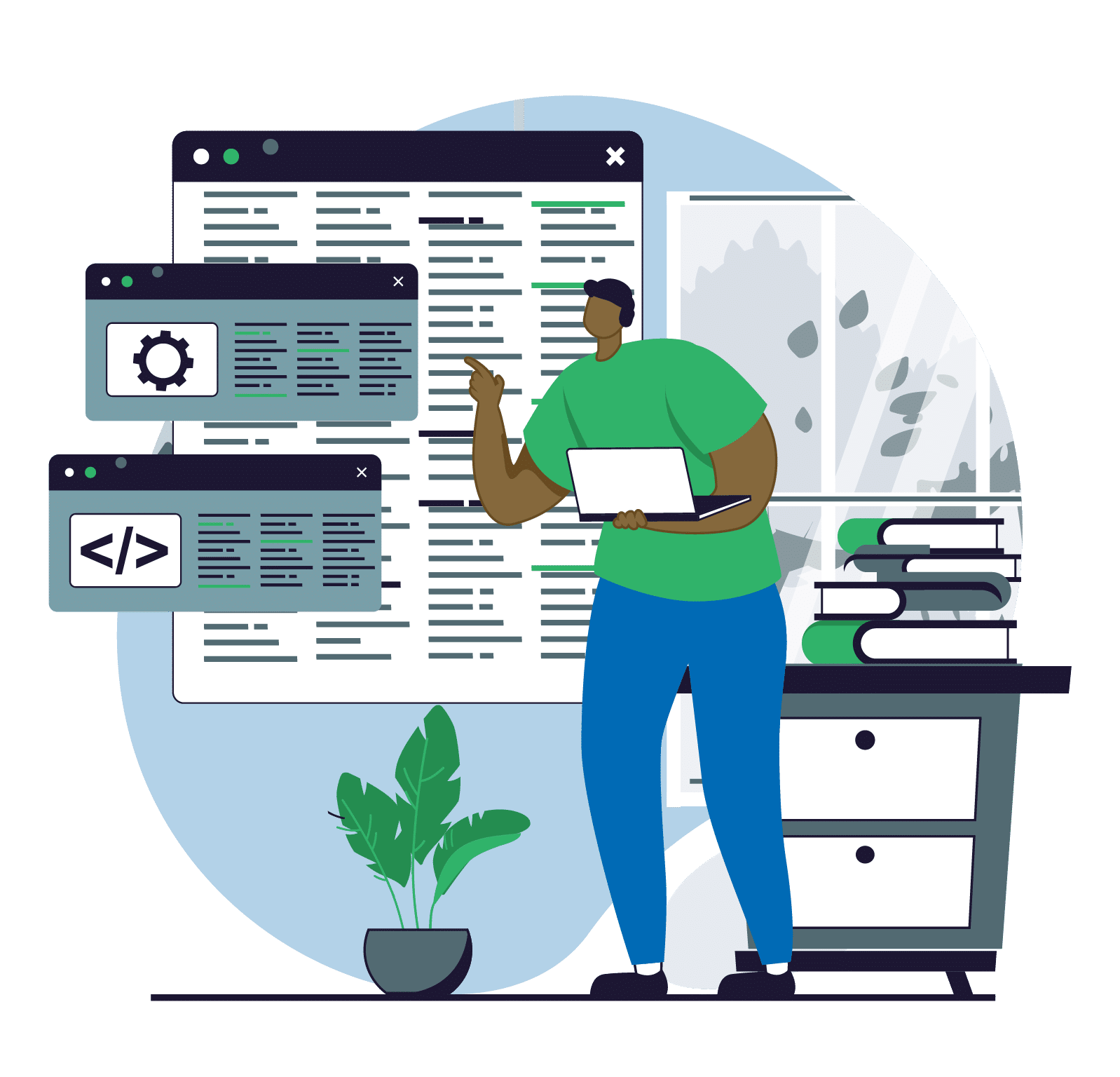
An In-house Developer is a software engineer who is directly employed by a company and works full-time as part of its internal team. They are involved throughout the entire software development lifecycle, from requirement analysis and system design to development, maintenance, and continuous improvement.
Because they work closely with the organization over the long term, in-house developers gain a deep understanding of the company's business processes, culture, and strategic objectives. As a result, they are well-suited for long-term projects or core products that require continuous development and maintenance.
What Is IT Staffing?
IT Staffing is a service model in which businesses hire IT professionals from a staffing provider to work on projects for a specified period. Instead of handling the entire recruitment process internally, companies can quickly access software developers or IT specialists with the required skills for their projects.
This approach enables businesses to rapidly expand their workforce, meet urgent project deadlines, or address talent shortages without spending significant time and resources on traditional recruitment.
Advantages and Disadvantages of In-house Developers

Advantages
-
Deep Understanding of the Business: Because in-house developers work closely with the organization over an extended period, they develop a thorough understanding of the company's products, customers, and internal workflows. This enables them to build and improve systems more effectively.
- Better Cross-Department Collaboration: Working within the same organization allows development teams to communicate directly with departments such as Marketing, Sales, and Operations, leading to faster decision-making and smoother project execution.
- Greater Control Over Product Quality: Businesses have full control over project schedules, development quality, and long-term product direction, ensuring that software aligns with the company's strategic objectives.
Disadvantages
- Higher recruitment and employee retention costs.
- Longer hiring process to find qualified talent.
- Difficult to scale the team quickly when project demands increase.
- Potential risks associated with employee turnover and talent shortages.
Advantages and Disadvantages of IT Staffing

Advantages
- Rapid Access to IT Talent: One of the greatest benefits of IT Staffing is the ability to quickly provide skilled professionals. Companies can avoid lengthy recruitment cycles while still gaining access to developers with the expertise required for their projects.
- Cost Efficiency: Businesses only pay for the duration or scope of the engagement, eliminating expenses related to recruitment, onboarding, employee benefits, insurance, and long-term employment costs.
- Flexible Team Scaling: As project requirements change, companies can easily increase or reduce the number of IT professionals without affecting their internal organizational structure.
- Access to Highly Skilled Professionals: IT staffing providers maintain extensive networks of developers with expertise across various technologies and industries, making it easier for businesses to find the right talent for specific projects.
Disadvantages
- Staff members typically work only for the duration of the project.
- External developers may need time to become familiar with internal processes.
- Choosing a reliable and experienced IT staffing partner is essential to ensure service quality.
Current Business Trend: Combining Both Models
Instead of relying exclusively on one approach, many businesses today adopt a hybrid model that combines In-house Developers with IT Staffing.
In this model, the in-house team focuses on core responsibilities such as product strategy, project management, and the development of key business features. Meanwhile, IT staffing professionals are brought in to support projects requiring additional resources, specialized technical expertise, or temporary workforce expansion.
This hybrid approach allows businesses to maintain the stability of their internal team while gaining the flexibility to scale resources according to changing business needs.