.png)
What Is Java?
Java is an object-oriented programming language (OOP) that is widely used in software development. With its ability to run across multiple platforms, high stability, and rich ecosystem, Java has long been one of the most popular programming languages in the IT industry.
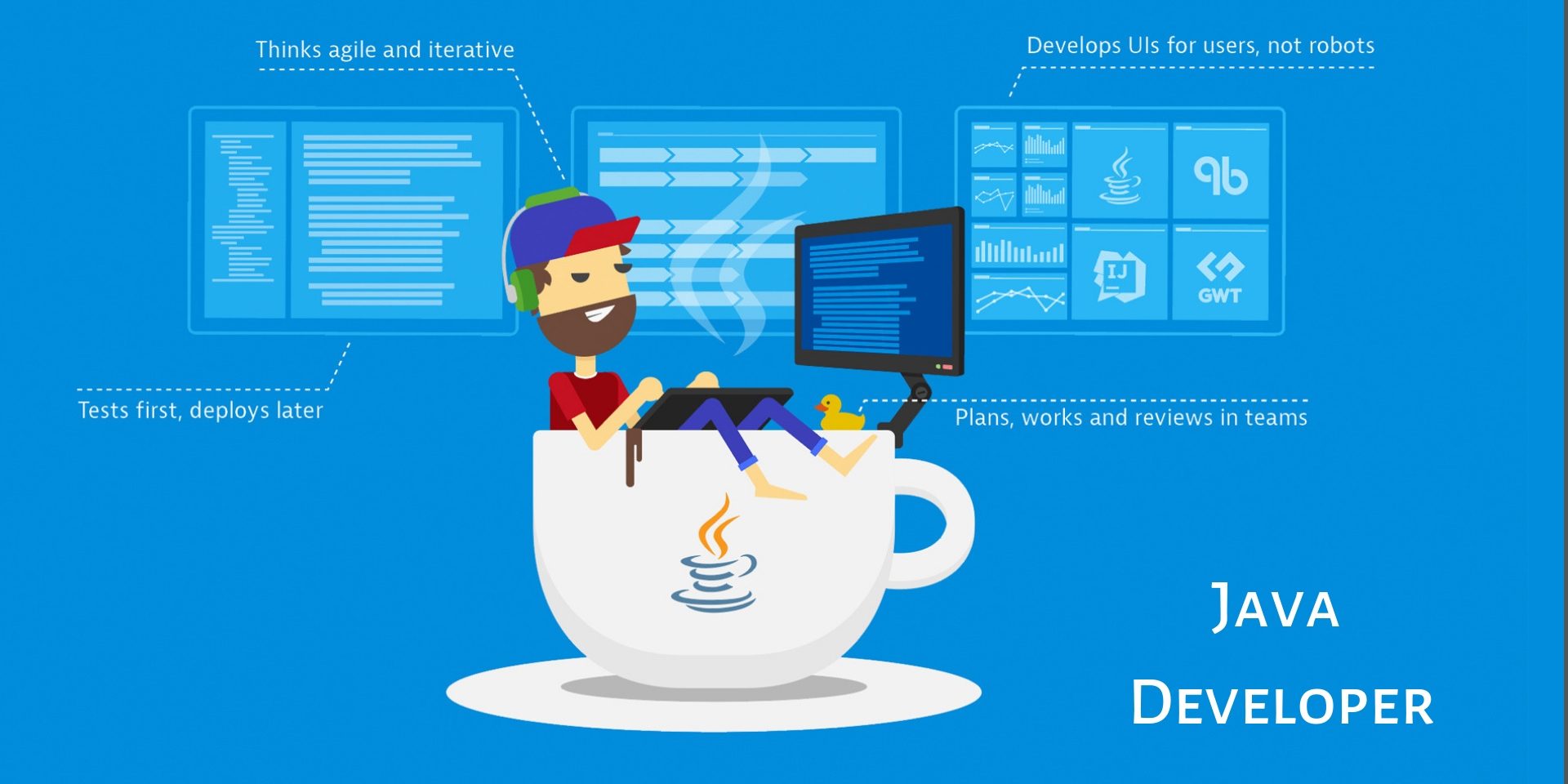
One of Java's most notable characteristics is its “Write Once, Run Anywhere” (WORA) philosophy. This means developers can write code once and run the program on different operating systems without having to make significant changes to the source code.
Java is used in a wide range of fields, from web application development, backend systems, and enterprise software to Android applications, financial and banking systems, and Big Data.
Key Features of Java
1. Object-Oriented Programming
Java is an object-oriented programming language. Java programs are built around concepts such as:
- Class
- Object
- Encapsulation
- Inheritance
- Polymorphism
- Abstraction
Object-oriented programming helps organize source code more effectively, improves code reusability, and supports long-term system maintenance.
This is also one of the reasons why Java is well suited for large-scale software projects.
2. Platform Independence
The ability to run on multiple platforms is one of Java's key advantages.
Thanks to the Java Virtual Machine (JVM), Java does not need to be completely recompiled for each operating system. This helps businesses and development teams reduce their dependence on a specific platform.
Java can be deployed across various environments, including:
- Windows
- Linux
- macOS
- Cloud servers
- On-premises systems
3. High Stability
Java is highly regarded for its stability, especially in systems that need to operate continuously.
The language features automatic memory management through Garbage Collection, which helps reclaim memory that is no longer in use.
In addition, Java's long-established ecosystem and large developer community provide a wide range of libraries, tools, and solutions to support the software development process.
4. Security
Java is equipped with various mechanisms that support the development of more secure applications.
Some of Java's security-related features include:
- No direct access to pointers, unlike some low-level programming languages
- Bytecode verification mechanisms
- Access control through modifiers
- Support for a wide range of security libraries and frameworks
As a result, Java is commonly used in systems that require a high level of security, such as banking, finance, e-commerce, and enterprise platforms.
5. A Rich Ecosystem
Java has a vast technology ecosystem.
Depending on development requirements, Java Developers can use a variety of frameworks and tools, including:
- Spring Boot: For developing backend applications and APIs
- Hibernate: For working with databases through ORM
- Maven/Gradle: For dependency and build management
- JUnit: For application testing
- Docker: For packaging and deploying applications
- Kubernetes: For orchestrating applications in containerized environments
The diversity of this ecosystem enables Java to support a wide range of modern software development models.
Advantages of Java

Java is still chosen by many businesses because of the following outstanding advantages:
1. Excellent Scalability
Java is well suited for developing systems with a large number of users and significant amounts of data.
When combined with Microservices architecture, Cloud Computing, and distributed technologies, Java can support the development of systems with flexible scalability.
2. A Large Developer Community
Java has been part of the technology industry for many years and has a large developer community around the world.
This makes it easier for businesses and developers to find:
- Learning resources
- Supporting libraries
- Development tools
- Solutions to technical challenges
- Professionals with Java expertise
3. Well Suited for Enterprise Systems
Java is particularly popular for Enterprise systems.
Businesses often choose Java for projects that require:
- High stability
- Long-term maintainability
- The ability to process large volumes of data
- Scalability
- Integration with multiple systems
- High security requirements
4. Supports the Development of a Wide Range of Applications
Java is not limited to a single field.
The language can be used across many different types of software, ranging from backend applications to enterprise systems and data processing platforms.
Disadvantages of Java
Despite its many advantages, Java also has some limitations:
- Relatively verbose syntax: Compared with some modern programming languages such as Python or Kotlin, Java often requires more lines of code to perform the same function. This can make Java seem relatively complex for beginners.
- Consumes more resources than some other languages: Because Java runs through the JVM, it may consume more resources in certain cases than languages that are compiled directly into machine code. However, with advances in hardware and performance optimization technologies, this limitation has gradually been improved.
- Potentially slower startup time: For some applications, particularly large-scale traditional Java systems, startup time can be an issue that requires optimization. Today, modern technologies and frameworks are helping significantly improve this experience.
What Is Java Used For?

Java is used in many areas of the technology industry.
1. Web and Backend Application Development
This is one of the most common areas where Java is used.
Java is often used to build:
- RESTful APIs
- Backend systems
- E-commerce platforms
- Enterprise management systems
- SaaS applications
Spring Boot is one of the most widely used frameworks for supporting backend application development with Java.
2. Banking and Fintech System Development
Many systems in the banking and financial sectors require:
- High stability
- The ability to handle large volumes of transactions
- Strong security
- Long-term operational reliability
With these characteristics, Java has become one of the suitable technologies for developing backend systems in the Banking and Fintech sectors.
3. Android Application Development
Java was once the primary programming language for Android application development.
Although Kotlin is becoming increasingly popular, Java is still used in many existing Android projects and remains an important skill for many developers.
4. Enterprise System Development
Java is widely used to build systems such as:
- ERP
- CRM
- HRM
- Data management systems
- Internal management software
- Customer management systems
Its ability to support the development of large-scale applications and facilitate long-term maintenance is one of the reasons why many businesses choose Java.
5. Big Data and Data Processing
Java also plays an important role in the Big Data ecosystem.
Many large-scale data processing technologies are built for or provide strong support for the Java environment, helping the language maintain its position in modern data processing systems.
Conclusion
Java is an object-oriented, platform-independent programming language with a rich technology ecosystem. With its stable performance, security, scalability, and strong support for large-scale systems, Java remains an important choice in modern software development.
From backend applications and Banking and Fintech systems to Enterprise software and Big Data, Java continues to demonstrate its value across many different fields.
For developers, learning Java not only opens up career opportunities in Backend development but also provides a foundation for exploring technologies such as Spring Boot, Microservices, Cloud Computing, and DevOps.
For businesses, choosing a team with the right Java expertise can help ensure that the development, operation, and expansion of systems are carried out more effectively. Therefore, Java will continue to be one of the key technologies worth considering in the software development journey of businesses in the years ahead.