.png)
Artificial Intelligence (AI) is entering a new phase of development, no longer just a supporting technology but has become a foundation that drives growth and innovation for businesses. Stepping into 2026, AI is increasingly being deeply applied to all activities from operations, customer care, marketing, manufacturing to data analysis and decision-making.
According to many global technology reports, businesses that invest in AI early will have great advantages in productivity, costs and competitiveness. So, which areas will AI trends in 2026 focus on? Let’s find out right below.
1. Agentic AI – AI capable of performing tasks autonomously
If AI previously mainly answered questions or supported humans, Agentic AI has taken a step further.
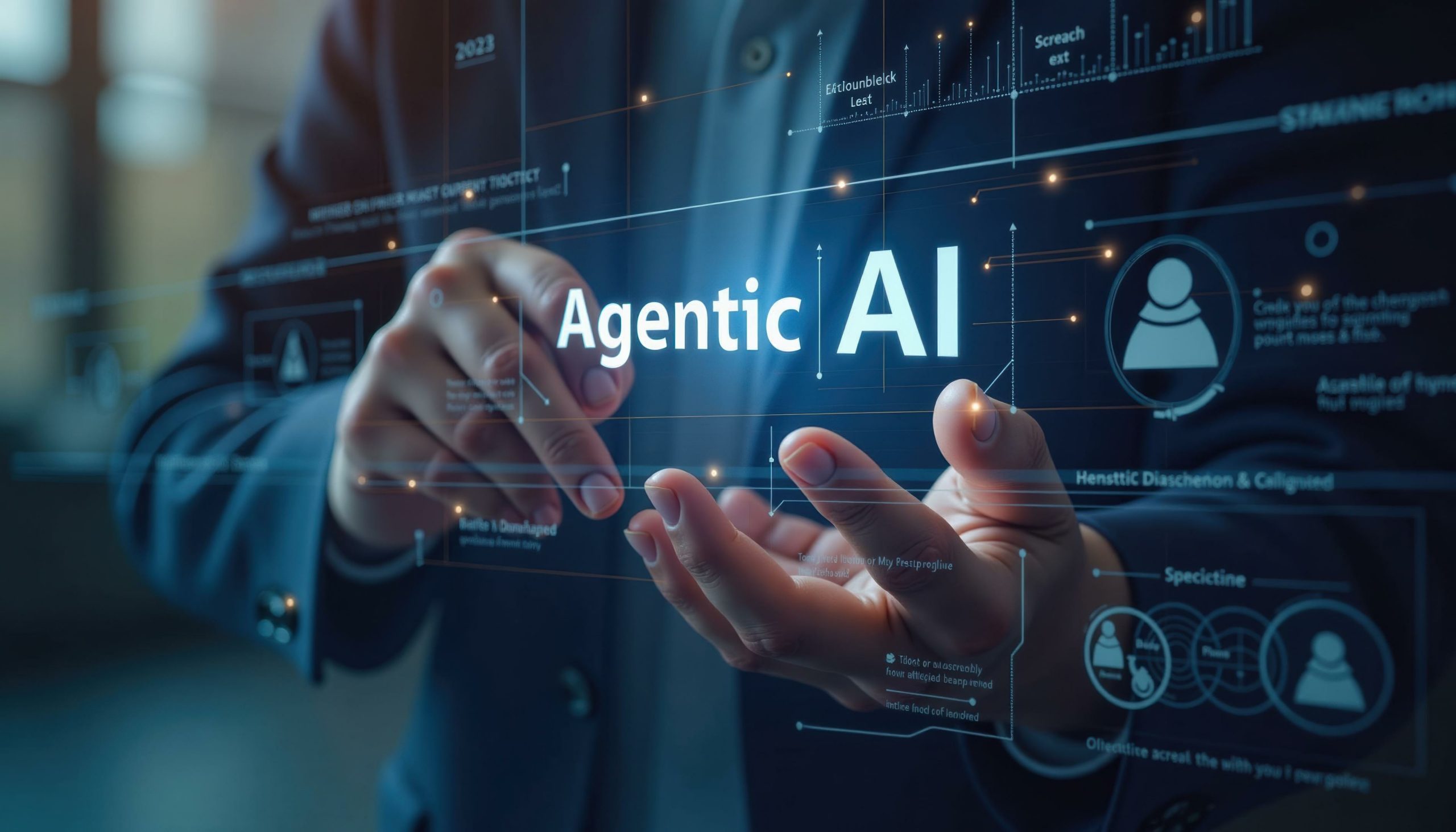
These are AI Agents capable of:
- Planning autonomously
- Analyzing data
- Making decisions
- Performing multiple tasks consecutively
- Coordinating themselves with other systems
In 2026, many businesses will shift from "using chatbots" to "using AI Agents"
2. AI deeply integrated into business processes
AI will no longer operate as an independent tool.
Instead, AI is directly integrated into:
- ERP
- CRM
- HRM
- Accounting systems
- Warehouse management systems
- Sales software
Integrating AI into management systems helps businesses automate many operational processes, significantly reducing manual tasks and freeing up resources for higher-value work. Simultaneously, AI helps minimize human errors, ensures accuracy in data processing, and accelerates information processing speed. As a result, businesses can improve operational efficiency, optimize costs, and make faster, more accurate decisions.
This is expected to become one of the fastest-growing AI trends for businesses in 2026.
3. Generative AI Becomes an Everyday Work Tool
Generative AI is no longer limited to content creation.
In 2026, it will be widely used for:
- Writing documents
- Generating code
- Designing user interfaces
- Creating images
- Producing videos
- Drafting emails
- Translating content
- Analyzing reports
This enables employees to save hours of work each week, allowing them to focus on more strategic and value-added tasks.
4. AI Supports Real-Time Decision-Making
As businesses generate and collect increasing volumes of data, manual analysis can no longer meet the demands for speed and accuracy. AI processes data in real time, quickly consolidates information from multiple sources, and delivers in-depth insights to support management in making informed decisions. It can forecast revenue, analyze market trends, predict customer demand, assess risks, and detect anomalies in business operations.
Instead of waiting for periodic reports, businesses can monitor key performance indicators as data is updated, enabling them to respond promptly to market changes and make faster, more accurate decisions.
5. Hyperautomation – End-to-End Automation Powered by AI
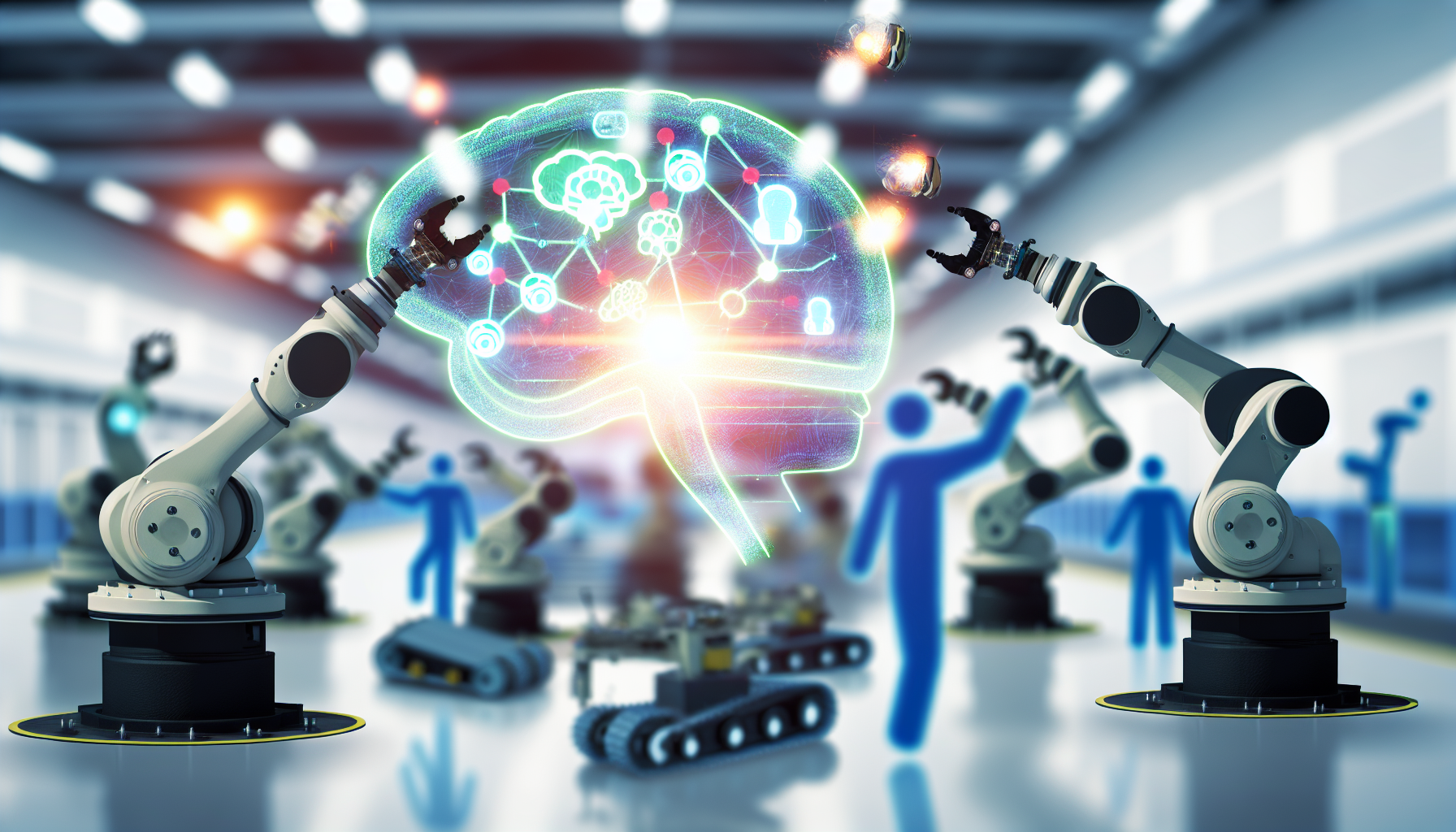
Hyperautomation combines:
- Artificial Intelligence (AI)
- Machine Learning (ML)
- Robotic Process Automation (RPA)
- Workflow Automation
- Optical Character Recognition (OCR)
By combining these technologies, businesses can automate entire workflows such as:
- Invoice processing
- Data entry
- Document verification
- Approval workflows
- Customer service
This trend significantly reduces operational costs while improving overall productivity and efficiency.
6. AI Personalizes Customer Experience
Customers increasingly expect personalized experiences tailored to their individual needs.
AI can analyze:
- Purchasing behavior
- Transaction history
- Usage habits
- Personal preferences
AI enables businesses to analyze each customer's data and behavior to recommend products or services that best match their needs and interests. It can also automatically deliver promotional offers at the right time, personalize email marketing campaigns, and enhance customer support through faster and more accurate responses.
By providing personalized experiences, businesses can increase conversion rates, improve customer satisfaction, foster long-term loyalty, and retain customers more effectively.
7. AI Enhances Cybersecurity
As cyberattacks become increasingly sophisticated, businesses must invest more heavily in cybersecurity.
AI is capable of:
- Detecting anomalies
- Providing early warnings
- Identifying suspicious behavior
- Preventing attacks in real time
- Analyzing system logs
This will become a critical trend for organizations that manage large volumes of data or handle sensitive information.
8. AI Supports Software Development
AI is transforming the way IT teams develop software products.
It can assist with:
- Code generation
- Bug detection
- Technical documentation
- Code review
- Software testing
- Test case generation
These capabilities help shorten development cycles while improving the productivity of software development teams.
9. Responsible AI
As AI becomes more widely adopted, businesses must also pay greater attention to:
- Data transparency
- Privacy protection
- AI-generated content governance
- Reducing bias in AI models
- Compliance with laws and regulations
In 2026, Responsible AI will become a key standard for organizations implementing AI technologies.
10. Cloud AI

Cloud AI enables businesses to deploy AI solutions quickly without investing heavily in infrastructure.
Key benefits include:
- Rapid deployment
- Flexible scalability
- Cost optimization
- Easy integration
- Continuous access to the latest technologies
In particular, Cloud AI will make advanced AI technologies more accessible to small and medium-sized enterprises (SMEs).
Benefits of Embracing AI Trends in 2026
Adopting AI not only delivers immediate operational benefits but also lays a solid foundation for long-term, sustainable business growth.
Some of the key benefits include:
- Increased productivity
- Reduced operating costs
- Enhanced customer experience
- Faster and more accurate decision-making
- Stronger competitive advantage
- Greater innovation
- Optimized data management
- Improved business scalability
The year 2026 is expected to mark the transition of AI from a supporting technology to a core driver of digital transformation. From Agentic AI and Generative AI to Hyperautomation and deeply integrated enterprise AI systems, these trends will reshape how organizations operate, compete, and grow in the years ahead.
Businesses that proactively adopt AI today will be better positioned to streamline operations, improve productivity, and build sustainable competitive advantages. Investing in AI is no longer just about keeping pace with technological advancements—it is a strategic move toward thriving in the digital business era.